Patio installation in Chiswick
If you are planning patio installation in Chiswick, you are probably looking for more than just a neat paved area. Most local homeowners want an outdoor space that feels like a natural extension of the house: somewhere for morning coffee, family dinners, summer gatherings, or simply a practical, low-maintenance spot that looks good all year round. In a place like Chiswick, where homes range from elegant terraces and period conversions to larger family properties and modern apartments, the right patio can make a real difference to how you use your garden.
A well-built patio is not only about appearance. It also needs the right levels, drainage, base preparation, materials, and layout to suit the property. Whether you are replacing tired paving, creating a new entertaining area, or improving access from a kitchen or conservatory, choosing a local team matters. Chiswick properties often come with narrow side access, shared entrances, limited parking, and varied garden shapes, so experience on real local sites is essential.
Our approach is straightforward: we focus on practical design, durable workmanship, and a finish that suits your home rather than a one-size-fits-all solution. If you are comparing options for a new paved seating area, a garden terrace, or a full outdoor makeover, this page explains what is involved, what affects cost, and how a local service can help.
Patio installation tailored to Chiswick properties

Chiswick has a distinctive mix of property styles, and that has a direct impact on how patio projects are planned. A Victorian or Edwardian home may need a patio that works with a mature rear garden and existing brickwork. A mews property or apartment terrace may require careful space planning to make a compact area feel usable. A larger family house may benefit from a multi-level layout, a dining zone, and a path connection through the garden.
Patio installation in Chiswick should never be treated as a generic paving job. The best results come from understanding how the space is used day to day. Some customers want a clean, simple surface for a seating set and barbecue. Others need a child-friendly area, a pathway from the back door, or a hardstanding area that reduces lawn maintenance. In commercial settings, such as pubs, cafés, offices, or shared residential gardens, the priorities can be different again: durability, safe access, and easy upkeep often matter most.
Because local gardens vary so much in size and access, a good installation team will think carefully about transport, material handling, waste removal, and timing. That becomes especially important in streets where parking is limited or access to the rear garden is tight. In those situations, planning the project properly helps avoid disruption and keeps the work moving smoothly.
What is included in a patio installation service?

A professional patio service usually begins with a site visit and a discussion about how you want to use the space. From there, the project may include ground preparation, excavation, sub-base installation, drainage considerations, edging, laying the chosen paving, and finishing details such as pointing and sealing. In many cases, the most important part of the job is what happens before the slabs or setts are laid.
The exact scope will depend on the condition of your garden and the style of patio you want. A straightforward replacement may involve lifting an old surface and rebuilding the base. A new patio on soft ground may need more extensive excavation and levelling. If you are adding steps, retaining edges, or connecting to other landscaping features, the work can become more detailed. The right installer will explain these steps clearly and set out what is needed for your space.
Typical elements of a patio installation can include:
- Initial consultation and measurement
- Advice on layout and suitable materials
- Ground clearance and excavation
- Sub-base preparation for stability
- Drainage and level management
- Edging, borders, and transitions to lawn or planting
- Laying paving slabs, natural stone, porcelain, or setts
- Jointing and finishing
- Removal of waste and site tidy-up
For customers who want a new patio in Chiswick as part of a wider garden update, it is also common to include sleeper edges, paths, raised beds, or steps to create a more joined-up outdoor space.
Choosing the right patio material

The material you choose affects the look, cost, maintenance, and long-term performance of the patio. In Chiswick, many customers want something that feels tasteful and in keeping with the property, while also being practical enough for everyday use. The right choice depends on the style of your house, how often the patio will be used, and whether you prefer a natural or contemporary finish.
Popular options include concrete paving slabs, natural stone, porcelain paving, and setts or block paving for borders and features. Each comes with its own benefits. Natural stone can give a classic look that suits period homes and traditional gardens. Porcelain offers a crisp, modern appearance and can be easier to keep clean. Concrete paving is often a versatile and cost-effective choice, while mixed-material designs can create a more distinctive layout.
When choosing materials, it is worth considering not only style but also practicality. A patio in a family garden may need a surface that is easy to maintain and not too slippery when wet. A dining terrace might benefit from a smoother finish and good stain resistance. If the area receives limited sunlight or is shaded by trees, some surfaces may show moss or leaf marks more quickly, so maintenance expectations should be discussed early on.
Why local knowledge matters in Chiswick
Local experience can save time, reduce hassle, and improve the final result. Chiswick has a mix of narrow roads, controlled parking zones, shared access points, and busy residential streets. For patio projects, that means logistics are often just as important as the paving itself. A local team is more likely to understand how to organise deliveries, manage waste removal, and work efficiently where access is restricted.
Chiswick gardens also vary widely in layout. Some have long, narrow proportions that suit a linear terrace and path. Others have side returns, split levels, or mature planting that needs to be protected during the work. A local installer will usually be familiar with these patterns and able to suggest practical solutions that suit the shape of the space rather than forcing in a layout that does not fit.
For residential and commercial customers, local knowledge is equally useful. Homeowners may want the patio finished quickly and neatly with minimal disturbance, while landlords, property managers, and business owners may need a hard-wearing surface that supports regular use. In both cases, the best outcome comes from proper planning and a clear understanding of site conditions.
How the patio installation process works
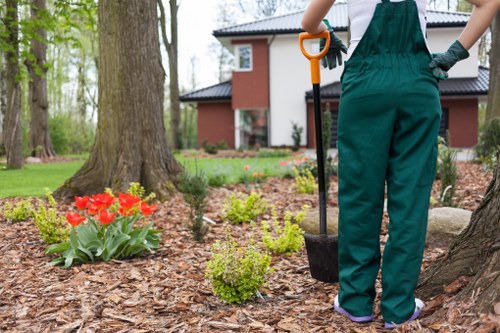
Many customers want to know what actually happens once they decide to go ahead. A well-managed patio installation normally follows a clear process so you know what to expect at each stage. While every property is different, the overall approach tends to be similar.
Step 1: Site visit and discussion
This is where the installer looks at the garden, checks access, and talks through your ideas. You can discuss preferred materials, colours, layout, and whether the new patio needs to connect to steps, paths, or other landscaping features.
Step 2: Planning and preparation
The space is measured carefully and the scope of the work is agreed. At this stage, practical issues such as drainage, levels, existing trees, manholes, and boundary lines can be considered. This is especially important in Chiswick where older properties sometimes have uneven ground or hidden features beneath the surface.
Step 3: Groundworks
The existing surface is lifted if needed, and the area is excavated to the correct depth. A stable sub-base is then created to support the finished patio. Good preparation is what helps prevent sinking, movement, or poor drainage later on.
Step 4: Laying the patio
The chosen paving is laid with care, ensuring the correct falls and alignment. Borders, edging, and details such as steps or curves are added if part of the design.
Step 5: Finishing touches
The joints are completed, surfaces are cleaned, and the site is left tidy. If requested, additional elements such as sealing or further landscaping coordination can be discussed.
Preparing for your patio project

A little preparation on your side can make the project smoother. If you are booking patio installation in Chiswick, it helps to think ahead about how you want the space to function once the work is complete. Do you need a dining area, a place for potted plants, a safe route for children, or a low-maintenance surface that frees up time in the garden? Knowing this before work starts will help shape the layout.
It is also useful to clear personal items from the area if possible, such as furniture, planters, toys, or smaller decorations. If access is tight, let the installer know in advance so arrangements can be made for materials and waste removal. In many Chiswick streets, parking and rear access can affect how the work is carried out, so clear communication early on helps prevent delays.
Checklist before installation:
- Decide how you want to use the patio
- Think about the ideal size and shape
- Consider sun, shade, and privacy
- Remove loose items from the work area
- Check whether the area connects to doors, paths, or steps
- Share any access or parking concerns early
- Ask about drainage and ground levels if the site is uneven
Taking time to prepare makes the installation more efficient and helps ensure the finished area suits your day-to-day life.
Pricing factors for patio installation
Customers often ask what affects the cost of a patio project. While exact pricing depends on the site and specification, there are several common factors that influence the overall work. Understanding these helps you compare quotations sensibly and choose a solution that fits your property and budget.
Main pricing factors include:
- Patio size and shape
- Choice of materials
- Depth of excavation required
- Condition of the existing ground
- Drainage needs
- Access to the garden
- Removal of old paving and waste
- Additional features such as steps, borders, or raised edges
A small, simple patio in a flat, accessible garden will usually be less involved than a large multi-area layout with retaining work or significant levelling. Material choice also plays a major role. Some finishes are more premium than others, and some require more detailed installation methods. A good local company should explain these factors plainly so you can make an informed decision.
It is often worth asking for a breakdown of the work rather than focusing on a single figure alone. That way, you can see what is included and whether the quotation reflects the actual site conditions in your Chiswick garden. Request a free quote when you are ready to compare options properly.
Why choose a local company for patio installation in Chiswick?
There are several practical reasons to choose a local team rather than someone unfamiliar with the area. Local installers understand the mix of homes in Chiswick, from terraced houses near the high street to larger properties close to riverside streets and quieter residential roads. They are also more likely to know the common issues that come up on local projects, such as limited access, narrow side returns, or awkward level changes.
A local company can also be easier to coordinate with. If you are living in the property during the work, or trying to fit the project around family routines, it helps to have a team that works efficiently and communicates clearly. For commercial customers, local responsiveness can be especially important where projects need to be scheduled around trading hours, tenant access, or visitor safety.
Another benefit is relevance. A local specialist is more likely to suggest designs and materials that suit Chiswick homes rather than offering a generic package. That can make the difference between a patio that looks merely functional and one that genuinely complements the property.
Common patio styles that work well locally
Some patio designs suit Chiswick particularly well because they complement the area’s architectural character and garden sizes. While there is no single right choice, the following styles are often popular with local homeowners and businesses.
Traditional garden terrace
This style works well with period homes and established gardens. It often uses natural stone or classic paving tones, with simple edging and a layout that feels calm and timeless. It is a good choice if you want the patio to blend in rather than dominate the outdoor space.
Contemporary outdoor entertaining area
Porcelain paving, clean lines, and minimal borders can create a more modern look. This style is popular with households that want a bright, easy-clean surface for dining and socialising. It can also work well where the garden is small and needs a crisp, organised feel.
Practical family patio
For busy family gardens, durability and ease of maintenance are often the priorities. A family-friendly patio may include a generous seating zone, easy access from the house, and enough space for children to play nearby without the area feeling cluttered.
Commercial courtyard or seating space
For cafés, pubs, office break areas, or managed properties, the emphasis may be on resilience and simple upkeep. Non-slip surfaces, tidy edges, and sensible drainage become especially important where there is regular foot traffic.
What can affect the timeline?
The time needed for a patio project depends on the size of the area, the site conditions, the materials selected, and whether any additional landscaping work is included. A straightforward replacement may take less time than a project that involves excavation, level correction, or complex borders. Weather can also play a role, especially during periods of heavy rain when ground conditions become more difficult.
In Chiswick, practical site issues sometimes influence the schedule more than the paving work itself. Limited parking, restricted access, or the need to work carefully around neighbouring properties may add planning time. This is normal and should be factored in from the start rather than treated as a surprise later.
If you have a deadline in mind, such as a family event, rental changeover, or business opening, it is sensible to discuss timing early. A reliable contractor should let you know what is realistic and how the sequence of work will be managed.
Patio maintenance after installation
One of the reasons so many local customers invest in a new patio is the ongoing convenience. Once installed properly, a patio should be straightforward to look after. That said, a little maintenance helps keep it looking its best. Regular sweeping removes leaves and grit, while occasional washing helps prevent dirt build-up. In shaded gardens, moss can appear more quickly, so keeping the surface clear is useful.
Different materials have different care needs. Porcelain often requires very little maintenance, while natural stone may benefit from a suitable cleaner or periodic sealing, depending on the finish. Joints should also be checked occasionally, especially after severe weather or if the patio is heavily used. A well-installed surface should stand up well over time, but early care matters.
Simple maintenance habits:
- Sweep regularly to remove debris
- Clean spills quickly
- Keep drainage routes clear
- Trim nearby planting if it spreads onto the surface
- Check for loose joints or movement after winter
Areas covered around Chiswick
Patio work is often carried out not only in central Chiswick but also in nearby parts of west London where similar property types and access conditions apply. This can include surrounding residential streets, nearby neighbourhoods, and mixed-use areas where private gardens, shared spaces, and commercial outdoor areas all need thoughtful installation.
If your property is near boundaries with neighbouring districts or sits close to busy routes, a local team can plan the work with access and timing in mind. That is particularly useful where deliveries must be scheduled carefully or where the garden is tucked away behind a house or block of flats.
Whether you are improving a private back garden, a courtyard, a forecourt, or a business seating area, local experience helps ensure the patio is built to suit the real conditions of the site.
Frequently asked questions
How do I know what size patio I need?
Think about furniture, walking space, and how you want to use the area. If you want a dining table, chairs, and space to move around comfortably, the patio should be sized accordingly. A smaller seating nook may be enough for a quiet corner, while family and entertaining spaces usually need more room.
Can a patio be installed on an uneven garden?
Yes, but the ground will need proper preparation. Uneven sites are common, especially in older Chiswick properties. Level correction, excavation, and good base work are often needed to create a stable, attractive result.
Do I need drainage work?
Not always, but drainage should be considered on every project. The installer should check how water will move across the patio and whether the surface needs suitable falls or additional drainage measures. This is especially important near house walls and in gardens that already hold water.
What material is best for a low-maintenance patio?
Many customers choose porcelain because it is straightforward to clean and has a modern finish. That said, the best material depends on your style preferences, budget, and how the patio will be used. A local installer can help you compare options.
Can you work in small or awkward spaces?
Yes. Small urban gardens, side returns, and awkwardly shaped areas are common in Chiswick. The key is careful planning, sensible material selection, and attention to access. These spaces can be transformed into very usable patios when handled properly.
How do I get started?
The easiest first step is to contact us today to discuss your space and request a free quote. A short conversation about your property, access, and ideas can help determine the next stage and what work may be involved.
Book your patio installation with a local team
If you are ready to improve your outdoor space, a professionally installed patio can add comfort, function, and lasting appeal to your home or business. Whether you want a simple paved seating area, a smarter garden terrace, or a more substantial layout with steps and borders, the right installation team will help you plan it properly and build it to suit the site.
For homeowners in Chiswick, local knowledge makes a genuine difference. It helps with access, material handling, and practical design choices that suit the character of the area. For commercial customers, it means a hard-wearing surface that can cope with daily use and still look welcoming.
Request a free quote or book your service now if you are ready to take the next step. A well-planned patio installation in Chiswick can turn an underused outdoor area into a space you will enjoy for years.